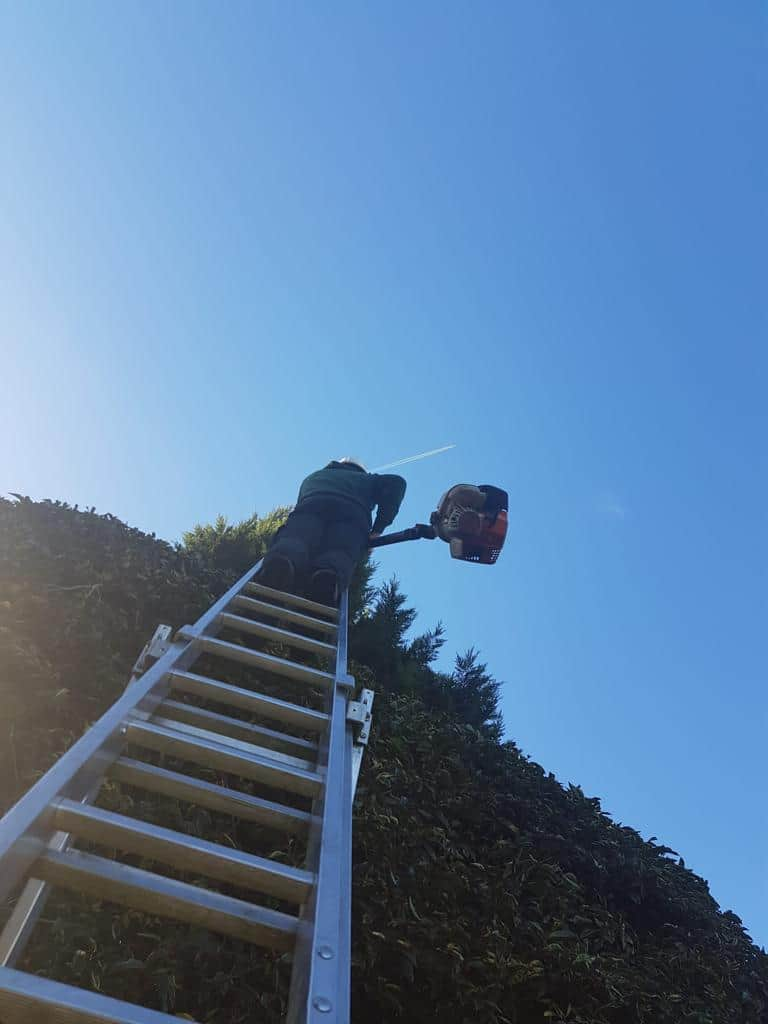
Trees are an important feature of many gardens, providing shade, privacy and natural beauty. However, to keep them healthy and well maintained, occasional pruning may be necessary. Removing selected branches can improve a tree’s structure, manage its size and address damaged growth, but the way pruning is carried out can significantly affect the tree’s long-term health.
For property owners in Whiteley, Hampshire, understanding the importance of correct cutting techniques can help prevent avoidable damage and support healthy tree development. Professional tree pruning focuses on making appropriate cuts at the right time while preserving the tree’s natural form wherever possible.
How Correct Tree Pruning Supports Healthy Growth
Pruning involves selectively removing branches to achieve a specific purpose, such as improving structure, removing deadwood or managing growth around buildings. When carried out correctly, it can help a tree develop a more balanced canopy and reduce the risk of weak or damaged branches remaining in place.
However, pruning is not simply a matter of cutting away excess growth. Removing too much foliage can reduce the tree’s ability to produce energy through photosynthesis, placing additional stress on the plant. Excessive cutting may also encourage vigorous regrowth that is poorly attached or difficult to manage.
A considered approach takes account of the tree’s species, age, condition and growing environment. This helps ensure that each cut serves a clear purpose rather than removing healthy branches unnecessarily.
Why the Position of Each Cut Matters
The position of a pruning cut can influence how effectively a tree responds to the wound. Branches generally have a natural area of attachment known as the branch collar, which contains tissues involved in the tree’s wound response.
Cuts made too close to the trunk can damage this area, while leaving long stubs may interfere with the tree’s ability to compartmentalise the wound effectively. Correct pruning aims to preserve the branch collar and avoid unnecessary injury to the surrounding tissue.
Larger branches also require careful handling. Removing them in one uncontrolled cut can cause the branch to tear away bark as it falls, creating a larger wound than intended. Professional tree surgeons use appropriate cutting sequences to manage the branch’s weight and reduce this risk.
These details are important because poorly positioned cuts can leave lasting damage, potentially affecting the tree’s structure and future growth.
Common Tree Pruning Mistakes to Avoid
Incorrect pruning can create problems that may take years to become apparent. Understanding common mistakes helps explain why careful techniques are essential.
Removing Too Much of the Canopy
Heavy pruning can remove a large proportion of the tree’s leaf-bearing branches, reducing its ability to produce energy. This may lead to stress and vigorous regrowth, particularly when a tree has been cut back severely.
A more selective approach preserves as much healthy foliage as possible while addressing the specific reason for pruning.
Topping the Tree
Topping involves cutting back major branches or the main stem to stubs, often to reduce the tree’s height quickly. This practice can leave large wounds and encourage numerous rapidly growing shoots that may have weaker attachments.
Rather than topping a tree, a suitable pruning plan may involve selective reduction cuts that shorten branches back to appropriate lateral growth. The correct method depends on the tree’s structure and the desired outcome.
Using Poor-Quality or Unsuitable Tools
Blunt or unsuitable tools can crush or tear branch tissue, making clean cuts more difficult. Tools should be appropriate for the branch size and maintained in good condition.
Good equipment alone does not guarantee successful pruning, however. Understanding branch structure and knowing where to cut remain essential to protecting the tree.
When Is the Best Time to Prune a Tree?
The most suitable time for pruning depends on the tree species, its condition and the reason for the work. Some trees can be pruned during dormancy, while others respond better to pruning at different points in their growth cycle.
Dead, broken or hazardous branches may need attention regardless of the season. In contrast, routine shaping or structural pruning can often be planned to suit the tree’s growth habits and minimise unnecessary stress.
Flowering trees require particular consideration because pruning at the wrong time may remove buds and affect the following season’s display. Trees showing signs of disease may also need a more specific approach to avoid spreading infection through contaminated tools or unsuitable cutting practices.
Before pruning begins, it is sensible to consider the tree’s condition, seasonal requirements and any wildlife using the canopy.
How Pruning Helps Manage Structural Problems
As trees grow, branches may become crowded, cross over one another or develop weak attachments. Selective pruning can sometimes improve the arrangement of the canopy by removing competing or damaged branches.
Removing deadwood can also reduce the chance of brittle branches falling, while carefully reducing selected branches may help manage growth close to buildings or other structures.
However, pruning cannot resolve every structural problem. Significant trunk defects, root damage or extensive decay may require a broader assessment to determine the tree’s condition and the appropriate response.
The objective should always be to make necessary improvements while retaining the tree’s natural shape and supporting its long-term health.
Why Professional Tree Pruning Makes a Difference
Every tree has its own growth pattern, branch structure and response to pruning. Work that is suitable for one species may be damaging to another, particularly when the tree is mature or already under stress.
Professional tree surgeons can assess these factors before deciding which branches should be removed and how the cuts should be made. They can also identify signs of disease, decay or structural weakness that may not be obvious from ground level.
For larger trees, professional equipment and safe working methods are essential. Attempting to prune high branches without the appropriate training and equipment can put people and property at risk.
A carefully planned approach helps ensure that pruning addresses the actual needs of the tree rather than creating additional problems through unnecessary cutting.
Tree Pruning Services in Whiteley, Hampshire
Correct pruning can help maintain a tree’s structure, manage unwanted growth and remove branches that are dead or damaged. LM Tree Surgery Whiteley provides tree surgery services in Whiteley, Hampshire, helping property owners care for their trees through appropriate pruning and maintenance.
Whether a tree needs selective branch removal, structural attention or general maintenance, professional assessment helps determine the most suitable approach for its condition and surroundings.
If you are concerned about overgrown branches or want to maintain the long-term health of a tree on your property, contact LM Tree Surgery Whiteley to discuss your tree pruning requirements.
Conclusion
Correct tree pruning is essential for maintaining healthy growth, preserving natural structure and avoiding damage that can affect a tree for years. The position of each cut, the amount of foliage removed and the timing of the work all influence how well a tree responds.
For property owners in Whiteley, Hampshire, choosing appropriate pruning techniques helps keep trees in good condition while addressing damaged or unwanted growth. With professional care and regular assessment, trees can remain attractive and valuable features of the garden for many years.
Call us on: 01489 359 894
Click here to find out more about LM Tree Surgery Whiteley
Click here to complete our contact form and see how we can help with your tree needs.